
In 2023, the Miami Marlins defied any and all expectations. While it’s true that they lost both games, the team followed their 69-93 2022 season, finishing 4th in the NL East, with an 84-78 season that sent them to the NL Wild Card series against the Philadelphia Phillies. The promising season earned Skip Schumaker his first National League Manager of the Year award and provided the Marlins front office a list of what fat they needed to trim and how to make a good team better. This analysis, as with all HnD offseason analyses, only factors in players who are/were on the Marlins’ depth chart and accounts for 2023 end of season statistics.
Departures
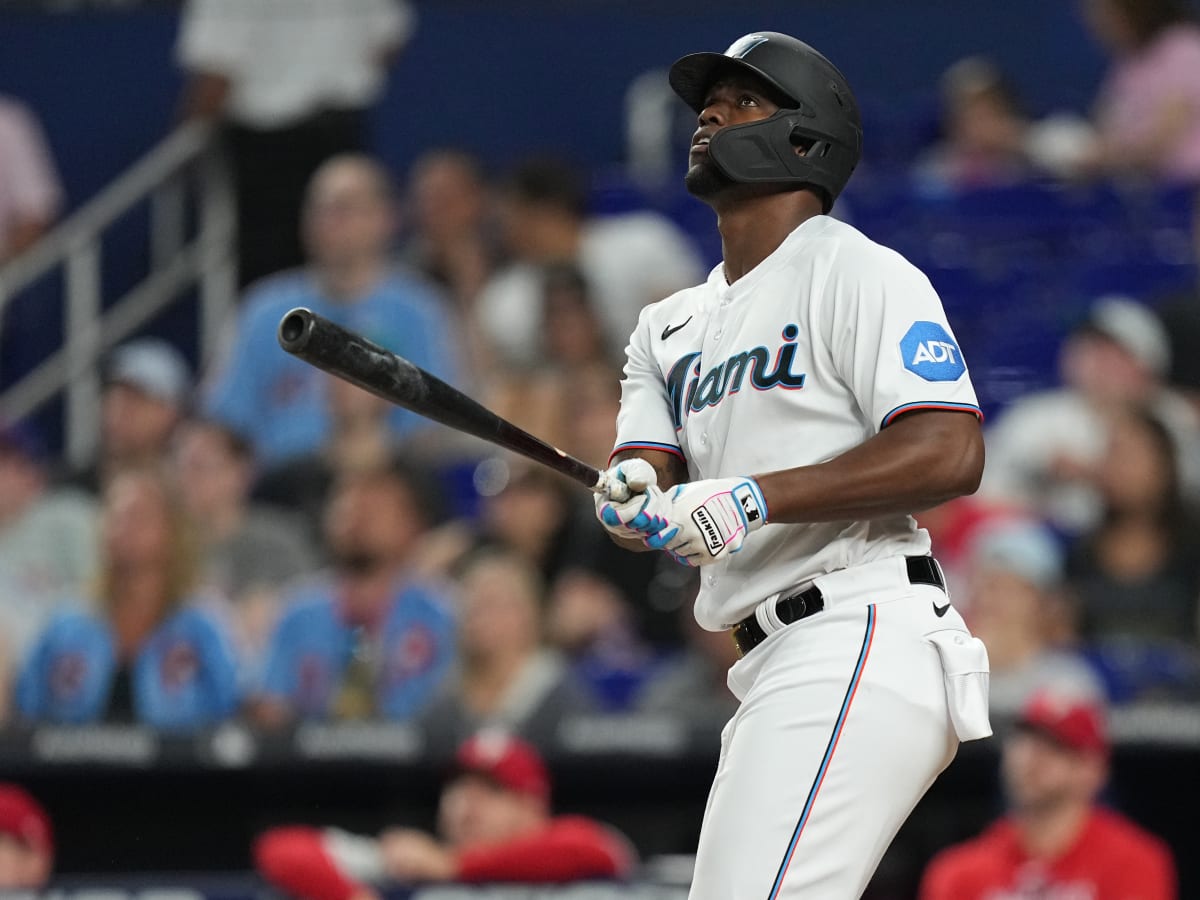
As soon as the Postseason came to a close, many Marlins players jumped ship. Shortstop Joey Wendle, designated hitter Jorge Soler, relief pitcher David Robertson, and first baseman Yuli Gurriel declared free agency on November 2, 2023. Wendle ended up signing with the Mets, Soler with the Giants, Robertson with the Rangers, and Gurriel has yet to be signed. Wendle batted .212 with a .348 OBP and a .554 OPS, with 2 home runs and 20 runs batted in. Soler was batting .250 with a .341 OBP and a .853 OPS, with 36 home runs and 75 RBIs across 580 plate appearances. Gurriel was batting .245 with a .304 OBP and a .663 OPS, with 4 home runs and 27 RBIs across 329 plate appearances. Robertson threw for a 5.06 ERA with a 1.594 WHIP, 0.8 home runs per 9 innings, and 12.7 strikeouts per 9 innings across 21.1 innings pitched; this earned him a 2-4 win-loss record.
Losing Wendle was part of the aforementioned trimming of the fat as he was not providing any value at the plate. Soler’s departure may prove to be a devastating blow to the Marlins offense, as he was without a doubt the most productive slugger on the team. Robertson’s high K/9 and low HR/9, combined with his high ERA and WHIP suggest a lack of command over his pitches. When he would get batters out, it was more-often-than-not a strikeout and he did a great job at keeping the ball inside the park. The stats imply that he was leaving many pitches open for base hits, which accounts for the high WHIP. Ultimately, a pitcher’s job is to reduce the number of runs the other team puts on the board. Robertson failed at that, resulting in his departure being considered a win. Gurriel was incredibly mediocre in 2023, leaving it at neither a win nor a loss.
Starting pitcher Johnny Cueto and relief pitcher Matt Barnes both had their team-options declined, putting their hats in the free agency ring. Cueto is still a free agent while Matt Barnes signed with the Washington Nationals. Cueto pitched for 52.1 innings with a 6.02 ERA, 1.261 WHIP, 2.9 HR/9, and 6.7 K/9 with a 1-4 record. Barnes pitched 21.1 innings with a 5.48 ERA, 1.641 WHIP, 0.8 HR/9, and 8.4 K/9 with a 1-0 record. The Marlins won’t be hurt by losing these pitchers.

Neither shortstop Garrett Hampson nor catcher Jacob Stallings were offered contracts by November 17, forcing them into free agency. Hampson ended up signing on with the Kansas City Royals while Stallings joined the Colorado Rockies. Hampson, across 252 plate appearances, batted .276 with a .349 OBP and a .729 OPS. He hit 3 home runs and 23 RBIs. Stallings batted .191 with a .278 OBP and a .565 OPS, with 3 home runs and 20 RBIs across 276 plate appearances. Hampson being non-tendered may prove to be a loss, as his average batting average and high OBP suggest average bat-to-ball skills with above-average plate discipline. Stallings, on the other hand, was batting below the Mendoza line (.200 batting average) and provided minimal defensive capability. At least now he can raise his slugging percentage now that he’s in the most hitter-friendly ballpark in the MLB.
The Marlins also traded relief pitcher Steven Okert to the Minnesota Twins for shortstop Nick Gordon. Okert threw for 58.2 innings, posting a 4.45 ERA, 1.261 WHIP, 1.4 HR/9, and 11.2 K/9 with a 3-2 record. The analysis of this trade will be provided later.
Additions/Extensions
/cdn.vox-cdn.com/uploads/chorus_image/image/70046600/usa_today_16249875.0.jpg)
Out of all of their expiring free agent contracts, the only one the Marlins signed was shortstop Jon Berti on November 6. Berti posted a .294 batting average with a .344 OBP and .749 OPS. He hit 7 home runs and 33 RBIs across 424 plate appearances. Obviously this was the right move. Berti has exceptional contact skills as well as unbelievable speed.
On November 17, the Marlins traded rookie-league affiliate shortstop Erick Lara to Tampa Bay in exchange for reliever Calvin Faucher and second baseman Vidal Brujan. Faucher pitched for 25.2 innings with a 1-1 record, a 7.01 ERA, a 1.675 WHIP, a 1.4 HR/9, and an 8.8 K/9. Brujan hit for .171 with a .241 OBP and a .438 OPS, hitting 0 home runs and 33 RBIs across 84 plate appearances. While both are on the MLB depth chart, one can only assume they will be spending some time with the Jacksonville Jumbo Shrimp (Miami’s AAA affiliate). Getting two prospects for the price of one seems like a win, but that won’t be known for sure until these players are MLB ready.

On December 10th, the Cleveland Guardians traded catcher Christian Bethancourt to Miami in exchange for cash considerations, only 5 weeks after Cleveland claimed him off of waivers from the Rays. Bethancourt batted .225 with a .254 OBP and a .635 OPS, hitting 11 home runs and 33 RBIs across 332 plate appearances. These stats are much better than current Marlins starter Nick Fortes, who hit for .204, with a .263 OBP and a .562 OPS, hitting hitting 6 home runs and 26 RBIs. If Bethancourt can prove himself in Spring Training, he should get the starting backstop role.
On February 7th of 2024, the Marlins gave Oakland cash in exchange for third baseman Jonah Bride and claimed reliever Declan Cronin off of waivers from the Houston Astros. Neither one’s stats are even worth mentioning, Bride’s well below the Mendoza line and Cronin has a 1:3 home run to strikeout ratio, they will most-definitely be sent to AAA when the season begins. They’re just building up that farm system.
In the aforementioned trade, the Marlins traded reliever Steven Okert to the Minnesota Twins in exchange for shortstop Nick Gordon. Gordon hit for .176/.185/.318 (batting average/OBP/slugging) with 2 home runs and 7 RBIs across 93 plate appearances. This trade was a loss. They already have Jon Berti at shortstop with Xavier Edwards as a solid backup. Okert definitely had his struggles this year, but overall, he got the job done. Gordon will most-likely spend time in the farm system.
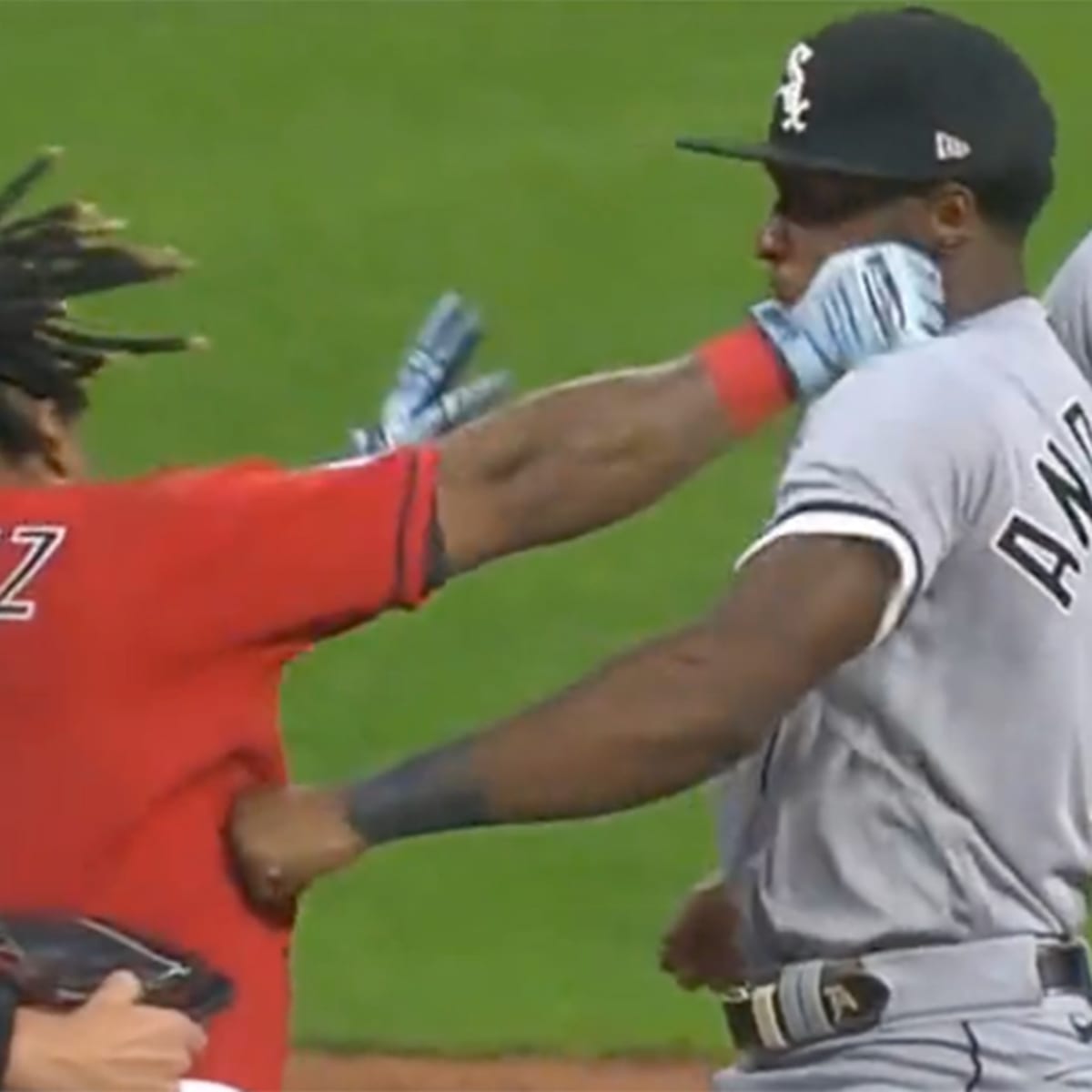
The last signing of the offseason was for shortstop Tim Anderson. Anderson slashed .245/.286/.296 in 2023 with 1 home run and 25 RBIs across 524 plate appearances. Last year, Anderson was in the headlines for only two reasons: initiating and losing a fist-fight with Guardians 3B Jose Ramirez, and finally ending his 379-day home run drought. Maybe it’s a slump, maybe the Marlins coaches will give him the tools to break out of it this year. But right now, this signing is looking like a loss, and the Marlins will be wise to give Jon Berti the starting shortstop job.
Wrap-up
Overall, I give the Marlins front office a C-. While they trimmed off a lot of dead weight, they failed to address the biggest problem spot: pitching. The Marlins had the lowest run differential (runs scored minus runs allowed) of any team to ever make the playoffs at a whopping -57. When a team allows more runs than they score, the solution should not be to sign and trade for a bunch of position players who bat below the Mendoza line and pitchers with ERAs above 7.00. The gains are mediocre-at-best, the one with the most value being Christian Bethancourt, the extension of Berti is fantastic, and the losses are mostly beneficial. If they managed to hold on to slugger Jorge Soler and add better pitching depth rather than a half dozen infielders that range from mediocre to downright-awful, they’d easily be getting an A. But who knows? Maybe they’ll defy expectations again this year.
 Heaters n Dingers
Love this analysis. Thanks for writing.
LikeLiked by 1 person